Province by province
Ten provinces, ten different routes
Licensing is provincial, so the first route worth assessing changes with the border. Each summary covers the regulator’s published pathway, the licence you would hold if it is approved, and the immigration programme to investigate alongside it.
Reviewed 24 July 2026. This page organises published licensing and immigration information for educational orientation. Careviv does not provide legal or immigration advice, and regulators and immigration authorities make the final decisions.
Choose a province
Now showing British Columbia.

British Columbia
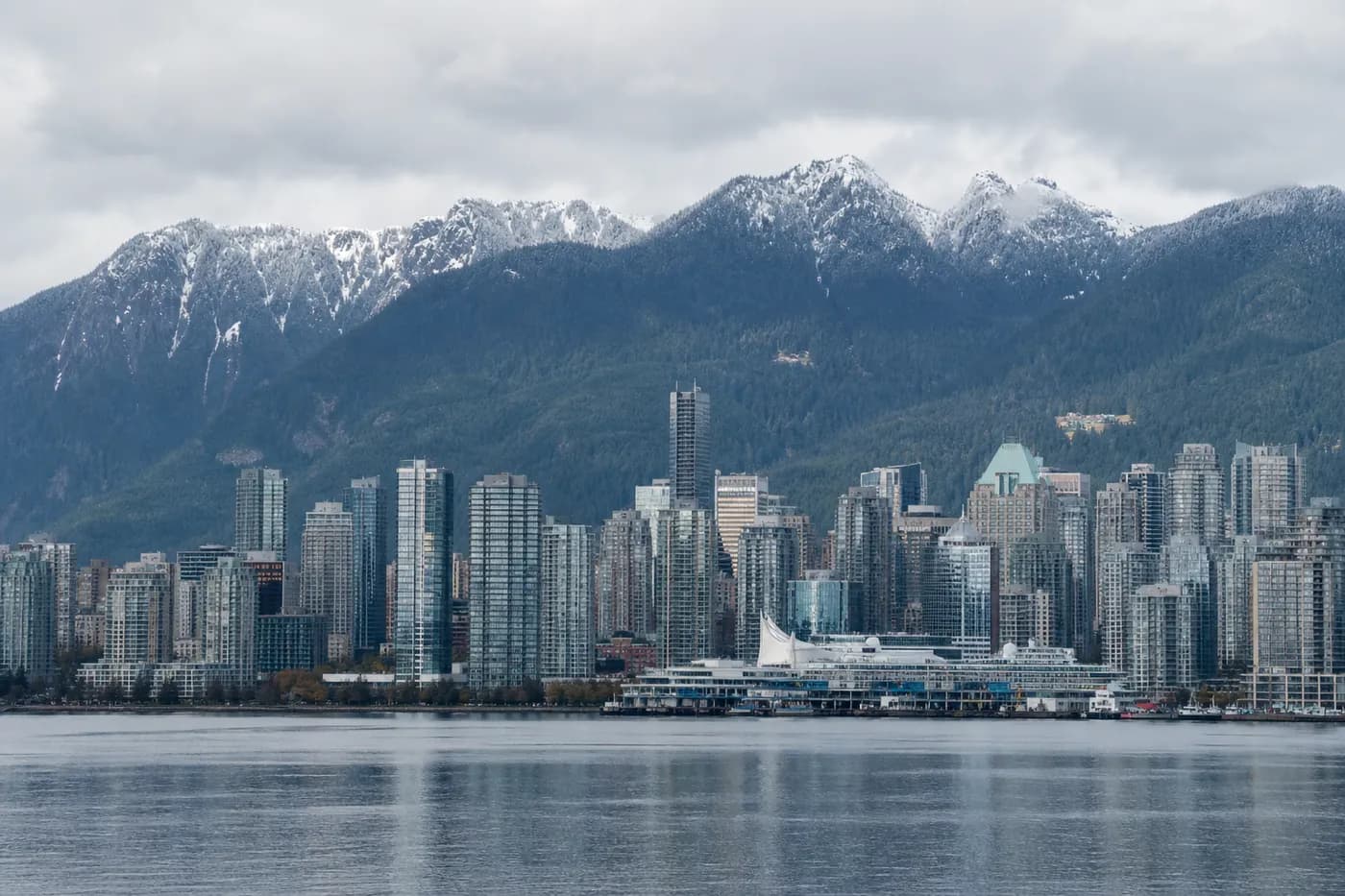
British Columbia combines Canada’s Pacific coast, large urban centres and smaller communities spread across a varied landscape. Vancouver and Victoria offer international connections and established professional networks, while the Interior, Vancouver Island and northern BC provide community-based practice options with very different settings and travel patterns.
Everyday life
Coastal areas generally have milder, wetter winters than most of Canada; the Interior and north have colder, snowier seasons. Hiking, skiing, cycling, water sports and access to parks can be part of ordinary life, but housing, commuting and access to services vary sharply by community. Compare the exact clinic location rather than treating “BC” as one lifestyle.
Best known for
- Pacific coastline
- Mountain access
- Vancouver’s multicultural city life
- Victoria
- Whistler
- Wine regions
- Year-round outdoor recreation
Route snapshot
First route to assess
Recognised foreign postgraduate family-medicine training
Outcome if approved
Full – family
Immigration route
BC PNP Health Authority or Skilled Worker; Express Entry
Licensing and relocation requirements
Since 6 July 2026, a qualifying UK-trained family physician may pursue BC’s Full – family licence through the recognized foreign postgraduate training route. The core requirement is at least two years of accredited family-medicine training in a jurisdiction recognised by the CFPC for certification without examination; the UK is included. CPSBC also reviews the medical degree and source-verified credentials, scope, good standing, English evidence and clinical currency. Currency normally means at least 24 weeks and 960 clinical hours in the relevant scope during the preceding three years.
CCFP, MCCQE, LMCC, a practice-ready assessment, supervision and return of service are not blanket entry conditions for this route. A physician with less than 12 months of full-time-equivalent independent practice in Canada normally completes the BC Physician Integration Program within the first year after licensure. BC-PIP is an orientation and integration requirement, not a provisional licence or supervised PRA.
Immigration prospects
BC PNP Skills Immigration includes the Skilled Worker and Health Authority streams, and NOC 31102 is a current healthcare priority. A physician who is not directly employed by a public health authority may still be considered for the Health Authority stream if the relevant authority supports the application; a private-clinic offer alone does not guarantee that support. An eligible Health Authority applicant can apply directly without the invitation step used by the Skilled Worker stream. Express Entry may be another option for a GP who meets the federal programme, language, education and ranking requirements. The licence route itself does not require a job offer, but employment and a valid work permit or permanent status must be in place before practice begins.
Official sources for British Columbia

Alberta
Alberta offers two large cities, Calgary and Edmonton, alongside smaller regional centres, prairie communities and mountain towns. It can suit GPs who want metropolitan practice options without giving up access to national parks or who prefer a community role serving a broad catchment.
Everyday life
The province has dry, sunny weather, cold winters and substantial variation between the Rockies, foothills, prairie and north. Calgary is closest to Banff and Kananaskis; Edmonton has a strong arts, festival and river-valley culture. Outside the two cities, journeys can be long and a car is often essential.
Best known for
- The Canadian Rockies
- Banff and Jasper
- Calgary’s western heritage
- Edmonton’s festivals
- Open prairie
- Extensive park access
Route snapshot
First route to assess
Approved Jurisdiction Route
Outcome if approved
General Register
Immigration route
AAIP Dedicated Health Care Pathway
Licensing and relocation requirements
Alberta’s Approved Jurisdiction Route can lead directly to the General Register. It applies to independent-practice applications made on or after 9 June 2025, with CPSA deciding the appropriate route after reviewing the file. For UK family medicine, the published profile is completion of a GMC-accredited GP vocational programme that meets RCGP standards plus a CCT in general practice. MRCGP alone should not be treated as a substitute for the published CCT requirement.
For an aligned applicant, CPSA’s route table waives MCC examinations, Canadian family-medicine certification examinations, the Therapeutics Decision-Making examination, PRA orientation and preliminary clinical assessment. The applicant still needs verified credentials, certificates of professional conduct, required criminal-record checks, English-language evidence or an accepted exemption, and satisfactory whole-file review. The route does not normally impose a practice-ready assessment, supervision or return of service.
Immigration prospects
Alberta publishes a physician-eligible provincial option: the AAIP Dedicated Health Care Pathway, with Express Entry and non-Express Entry routes. It requires a valid Alberta healthcare job offer and verifiable proof that the applicant meets CPSA’s minimum requirements to practise. Applicants submit a Worker Expression of Interest and must be invited; meeting the pathway criteria is not a nomination guarantee. Healthcare is an AAIP priority in 2026, and qualifying practice-ready physician nominations can use additional federal spaces. A nomination may support an employer-specific work permit, while Express Entry remains a separate possibility. Coordinate the offer, CPSA evidence and immigration route before fixing a start date.
Official sources for Alberta

Saskatchewan
Saskatchewan is centred on Saskatoon and Regina, with many smaller cities, towns and rural communities. It is a practical option for GPs who value community continuity, broad family-medicine work and the possibility of living in a less densely populated setting.
Everyday life
The south is known for open prairie and big skies, while central and northern Saskatchewan contain forests and thousands of lakes. Summers are warm and bright; winters are cold, dry and often windy. City journeys can be straightforward, but rural and northern roles may involve long distances and fewer nearby services.
Best known for
- Prairie landscapes
- Vivid sunsets
- Lake country
- Saskatoon’s river valley
- Regina’s cultural institutions
- Close-knit rural communities
Route snapshot
First route to assess
CFPC-recognised foreign training rule
Outcome if approved
Regular licence
Immigration route
SINP Health Talent Pathway
Licensing and relocation requirements
Under a bylaw effective 3 July 2026, a qualifying internationally trained family physician may pursue a Regular licence. The applicant must have completed a family-medicine training programme that the CFPC recognises as making its graduates eligible for CCFP without examination and must have obtained family-medicine certification in the country of training. This uses CFPC recognition of the programme; it does not necessarily require the applicant to already hold CCFP.
The all-class requirements still matter. CPSS reviews the medical degree, source verification, good standing, certificates of professional conduct, English evidence, clinical currency, competence and conduct. The applicant must also provide MCCQE, accepted US examinations or another form of appropriate medical-knowledge evidence acceptable to Council. Where the evidence relies on Council discretion, the file needs individual confirmation. The new Regular-licence clause does not publish a blanket employer sponsor, supervision, PRA or return-of-service requirement.
Immigration prospects
The SINP Health Talent Pathway expressly includes general practitioners and family physicians, with Express Entry and non-Express Entry options. It can accept a candidate outside Canada, but requires an eligible permanent, full-time Saskatchewan health-sector offer and a conditionally approved Employer Position Assessment that the candidate validates. The non-Express Entry option also includes language, education/ECA and experience requirements. Healthcare is a priority sector in Saskatchewan’s 2026 nomination allocation, and overseas recruitment remains supported for health roles. Selection, nomination and federal approval are still separate decisions. A work permit must be arranged through the applicable LMIA or exemption route; a licensing match or SINP profile does not itself authorise work.
Official sources for Saskatchewan

Manitoba
Manitoba combines Winnipeg, a diverse provincial capital, with smaller cities, agricultural regions, lake communities and a vast north. The province may appeal to GPs who want a community-facing role and are open to locations where recruitment needs are strongest.
Everyday life
Winnipeg has major arts, sports and cultural institutions and serves as the province’s transport and service hub. Beyond it, daily life can be quieter and closely connected to the local community. Manitoba has warm summers, very cold winters and extensive lake country; location, road distance and access to specialist services deserve careful comparison.
Best known for
- Winnipeg’s cultural scene
- More than 100,000 lakes
- Cottage country
- Prairie skies
- Northern experiences around Churchill
Route snapshot
First route to assess
Provisional Family Practice Limited
Outcome if approved
Provisional, supervised and location-limited
Immigration route
Employer-specific permit; later MPNP or Express Entry
Licensing and relocation requirements
The live UK GP route is Provisional Registration – Family Practice Limited, not direct Full registration. A conventional UK applicant can use written CFPC confirmation of eligibility following an approved-jurisdiction family-medicine programme. CPSM also reviews the acceptable degree, source-verified training and certification, recent practice, English evidence, good standing, checks and references.
This route depends on an employment or sponsorship opportunity, a Minister-approved geographic area or practice setting, and a satisfactory practice supervisor. CFPC approved-jurisdiction eligibility can remove the preliminary PRA and separate mentor requirements, but it does not remove supervision. The physician practises with stated limits and conditions and must work towards Full Practising registration, normally within five years. As reviewed on 24 July 2026, Manitoba’s proposed approved-jurisdiction route to Full licensure was still in public consultation and must not be presented as available.
Immigration prospects
For direct recruitment from the UK, a recruited physician will generally need an employer-specific work permit. The employer or an authorised immigration adviser must confirm whether the case needs a positive LMIA or fits a specific exemption. Manitoba does not publish a standalone offshore physician nominee stream comparable to Alberta’s health pathway. The MPNP Skilled Worker routes are employer- and connection-led. Current selections have targeted people already working in Manitoba in health occupations, while overseas candidates generally need a direct strategic-recruitment invitation.
The standard Skilled Worker in Manitoba pathway normally requires a valid permit and six months of continuous full-time employment with the supporting employer, and it excludes self-employed or independent-contractor work. That distinction matters for physician practice models. Express Entry may provide a separate route for an eligible GP, and a supported provincial nomination may later support faster work-permit processing, but neither should be assumed before the province confirms the case.
Official sources for Manitoba
- CPSM — Provisional Registration, Family Practice Limited
- CPSM — Provisional Family Practice Limited policy
- CPSM — July 2026 approved-jurisdiction consultation
- Health Careers Manitoba — International physician recruitment
- Manitoba — Skilled Worker in Manitoba eligibility
- Manitoba — 2026 EOI health-occupation selection
- Travel Manitoba — Churchill and northern experiences

Ontario
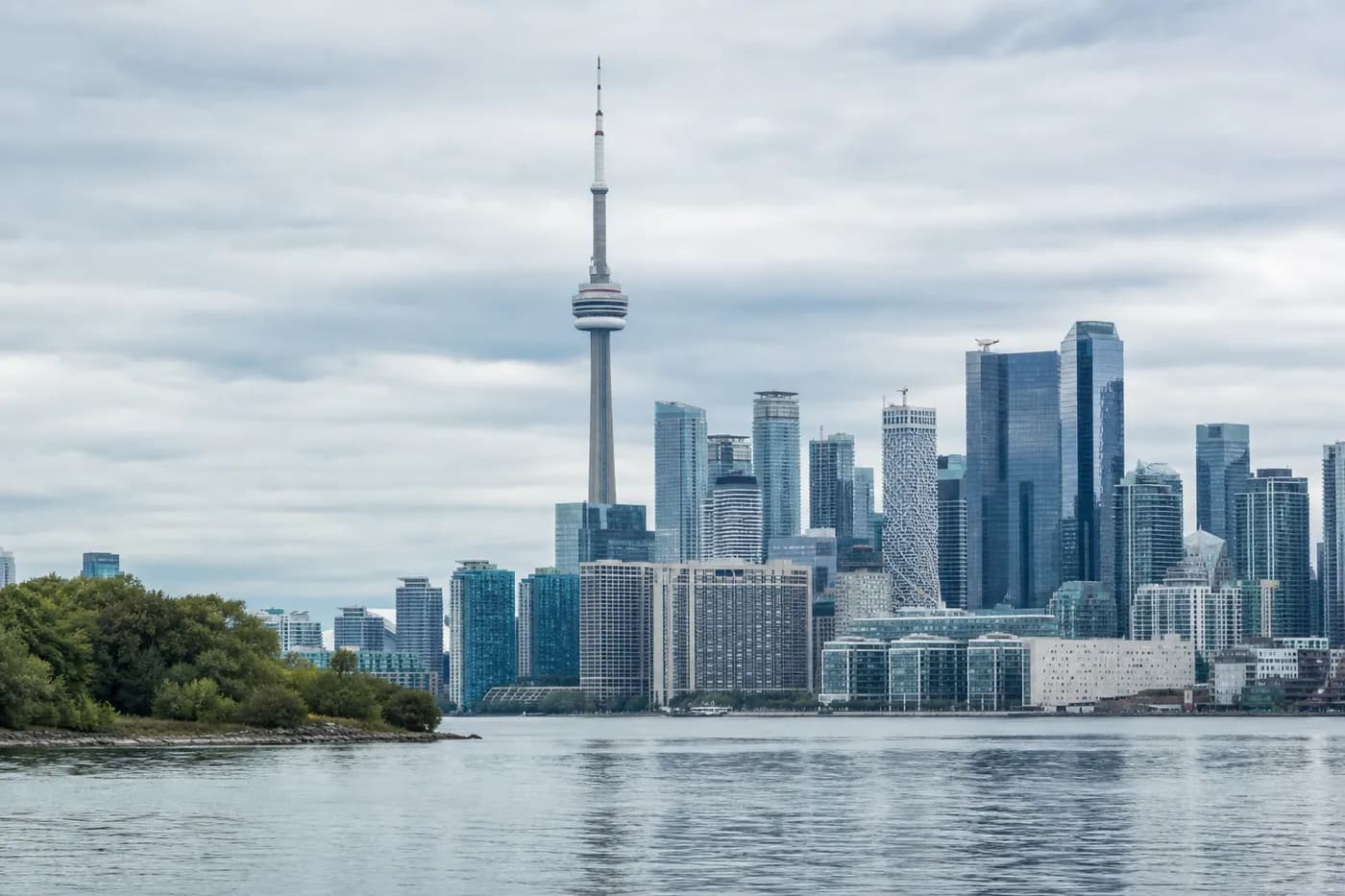
Ontario offers a broad range of settlement settings, from Toronto and Ottawa to mid-sized cities, northern centres and rural communities. Clinic models, patient populations, transport and lifestyle differ substantially, so a role in downtown Toronto and one in northern Ontario should be assessed as a different relocation proposition.
Everyday life
Toronto provides global connections and a large cultural scene; Ottawa combines a smaller-city rhythm with national institutions and access to nature. The Great Lakes, cottage regions and provincial parks create many outdoor options. Southern Ontario has warm, humid summers and cold winters, while northern communities face longer winters and greater travel distances.
Best known for
- Toronto
- Ottawa
- Niagara Falls
- The Great Lakes
- Multicultural communities
- Cottage country
- Urban and regional variety
Route snapshot
First route to assess
CPSO–CFPC recognition without examination
Outcome if approved
Scope-limited independent provisional, or independent practice with LMCC
Immigration route
Ontario Workforce Priority or Express Entry
Licensing and relocation requirements
Ontario’s direct route coordinates CPSO review with the CFPC jurisdictional route. A conventional UK GP generally needs an acceptable degree, GMC-accredited vocational training, training-based MRCGP, CCT or the older CPE, active unrestricted registration and recent UK family-medicine practice. The important sequence is CPSO Registration Committee approval for the Ontario–CFPC process, CCFP awarded without examination, then issuance of the appropriate CPSO certificate.
Without LMCC, an aligned applicant may receive a provisional certificate to practise independently, limited to the physician’s scope of practice. “Provisional” here does not mean routine supervision. With the accepted MCCQE requirement and LMCC, the applicant may qualify for an independent practice certificate. The direct route does not impose a standard PRA, supervisor, job offer or return of service. Non-standard training, practice-eligible certification or CFPC currency issues need a different assessment.
Immigration prospects
Ontario redesigned the OINP in June–July 2026. The Ontario Workforce Priority stream can cover eligible workers with qualifying job offers and qualifying self-employed physicians without a job offer. A self-employed physician must already have an OHIP billing number and be a CPSO member in good standing with an independent, academic or provisional certificate; a postgraduate certificate is insufficient. The programme is designed to use an expression of interest and invitation process. As reviewed on 24 July 2026, its criteria were published but the EOI system had not opened. Intake status, criteria and allocations must be checked before relying on the route. A new UK entrant may still need an LMIA-supported employer-specific permit. Federal Express Entry may also be relevant through the healthcare category, or later through the Canadian-experience physician category.
Official sources for Ontario

Québec
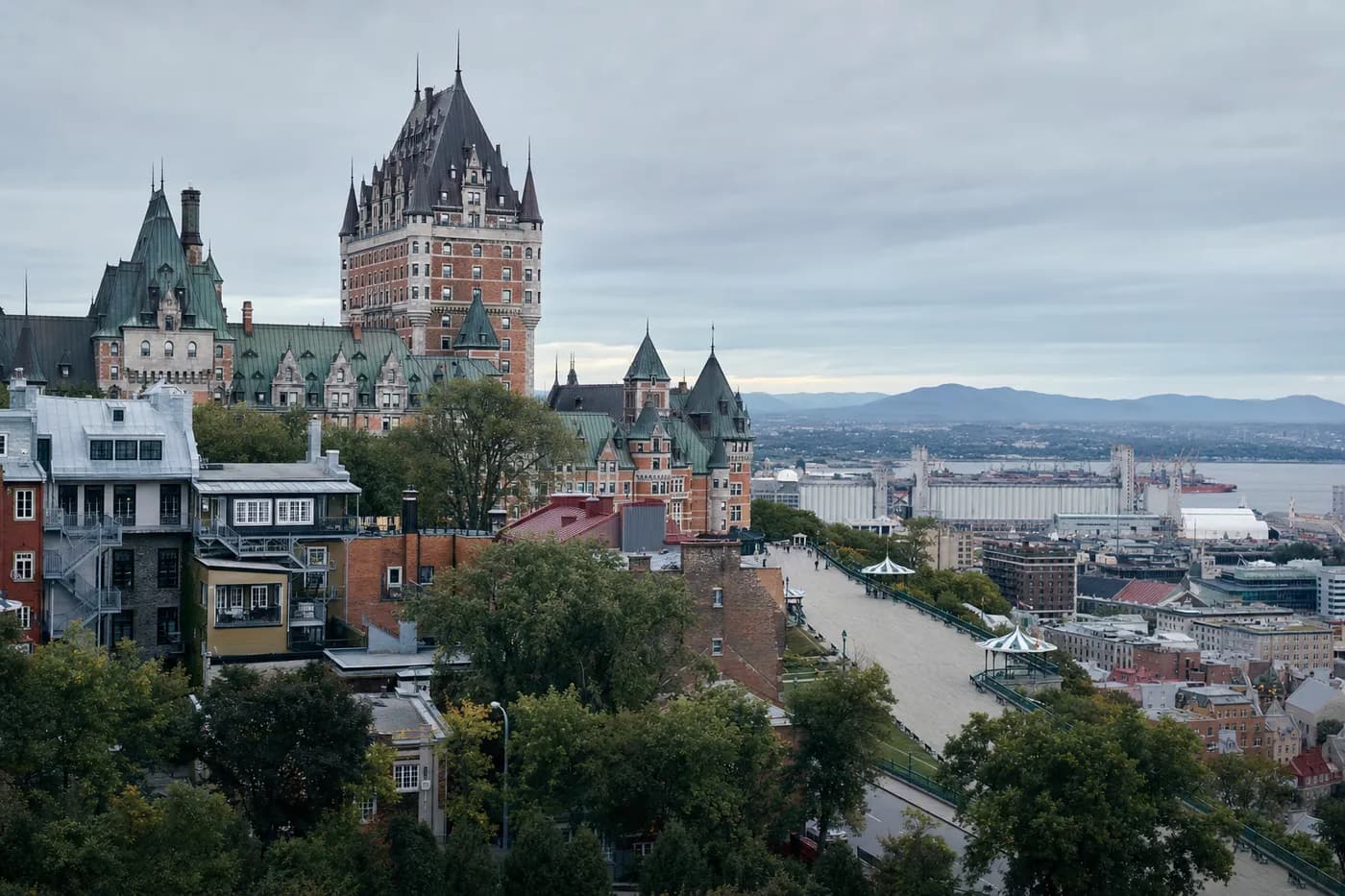
Québec offers a distinct French-speaking professional and cultural environment. Montréal is a large bilingual and international city, Québec City is the historic provincial capital, and regions offer community practice amid extensive countryside. French is central to clinical work, licensing, immigration and daily life.
Everyday life
The province combines dense city neighbourhoods, major festivals and food culture with mountains, forests, lakes and the St Lawrence River. Winters are cold and snowy and are treated as an active season. A household should assess its readiness to live and work in French rather than viewing language as an administrative test alone.
Best known for
- French language and culture
- Montréal
- Québec City
- The St Lawrence
- Festivals
- Winter activities
- A strong regional identity
Route snapshot
First route to assess
Restrictive clinician permit and assessment
Outcome if approved
Institution-, location- and acts-limited permit
Immigration route
Québec PSTQ regulated-professions stream
Licensing and relocation requirements
Québec does not publish an Ontario-style direct UK recognition route. The practical route for an established UK GP is usually the restrictive clinician permit and practice-ready assessment. It requires an acceptable source-verified degree, MCCQE or another listed examination, postgraduate training and certification that CMQ judges broadly equivalent, at least 12 months of competent practice in the previous three years, sponsorship by a Québec health institution, good standing and the required French evidence.
Where French must be proven through the OQLF examination, CMQ cannot begin arranging the restrictive-route assessment until it receives proof of a pass. The assessment is generally a continuous 12-week placement after an observation period. ALDO-Québec is also required before issuance. Even when the measurable criteria are present, training equivalence and readiness remain individual CMQ decisions. The resulting permit is normally limited by institution, location and authorised acts. The regular route generally involves Québec/Canadian postgraduate training and Canadian examinations, so it is a retraining route for most established UK GPs.
Immigration prospects
Québec selects economic immigrants separately from Express Entry and the Provincial Nominee Program. Physicians fall within the regulated-professions component of the Skilled Worker Selection Program (PSTQ) through Arrima and need an accepted CMQ professional-recognition document, not only confirmation that an application was received. Core stream criteria include French at level 7 in both oral skills and level 5 in both written skills, with additional spouse requirements where applicable; actual invitation rounds can add location, occupation and ranking criteria. A July 2026 round specifically included NOC 31102 candidates already in Québec. Qualifying foreign physicians may use an employer-specific LMIA-exempt C10 work permit, but the institution and immigration authorities must confirm the exact case. Neither a CMQ pathway nor a PSTQ declaration guarantees selection.
Official sources for Québec

New Brunswick
New Brunswick is Canada’s only officially bilingual province and includes English-speaking, French-speaking and mixed-language communities. Fredericton, Moncton and Saint John are its main urban centres, while much of the province is coastal, rural or forested. Language fit should be assessed for the specific health region and patient population.
Everyday life
The province offers shorter urban journeys, access to beaches, rivers and trails, and a strong community scale. Winters are snowy and summers are warm. Rural and northern roles can involve longer travel and fewer nearby services, while bilingual households may value everyday access to both English and French.
Best known for
- The Bay of Fundy
- Acadian culture
- Bilingual communities
- Extensive forests
- Coastal towns
- A slower-paced small-city lifestyle
Route snapshot
First route to assess
RHA/public-institution requested Special licence
Outcome if approved
Sponsored and supervised Special licence
Immigration route
AIP or NBPNP through current government-led recruitment
Licensing and relocation requirements
A UK CCT and MRCGP alone are not a published basis for direct Regular licensure in New Brunswick. The practical first route is usually a Special licence requested by a Regional Health Authority or another eligible public institution. It is tied to the approved employer, location and scope and includes approved supervision.
CPSNB reviews the acceptable degree and source-verified credentials, recognised family-medicine training and certification, language, currency, good standing, fitness and practice history. The published route normally expects at least 450 clinical hours in the previous three years, at least one year of independent practice after certification, and the required training or experience basis. A Special licence does not automatically become Regular after a set period. A physician may later pursue CCFP through the jurisdictional route and make a separate Regular application; PRA-NB and the Defined class are different routes with their own examinations, assessment and service conditions.
Immigration prospects
The Atlantic Immigration Program is a realistic employer-led option, but New Brunswick now places endorsement applications in a candidate pool and selects them according to labour needs and allocation. Since 3 February 2026, overseas applications have been limited to government-led recruitment in healthcare, education and construction trades. The employer must be designated, the offer must qualify, and the province must endorse the case. An eligible endorsed candidate may request a provincial referral for a two-year, employer-specific LMIA-exempt AIP work permit while permanent residence is processed. The NB Provincial Nominee Program also prioritises healthcare in current selections, but it uses its own pool and invitation rules. Neither a health-sector offer nor pool entry guarantees processing.
Official sources for New Brunswick

Nova Scotia
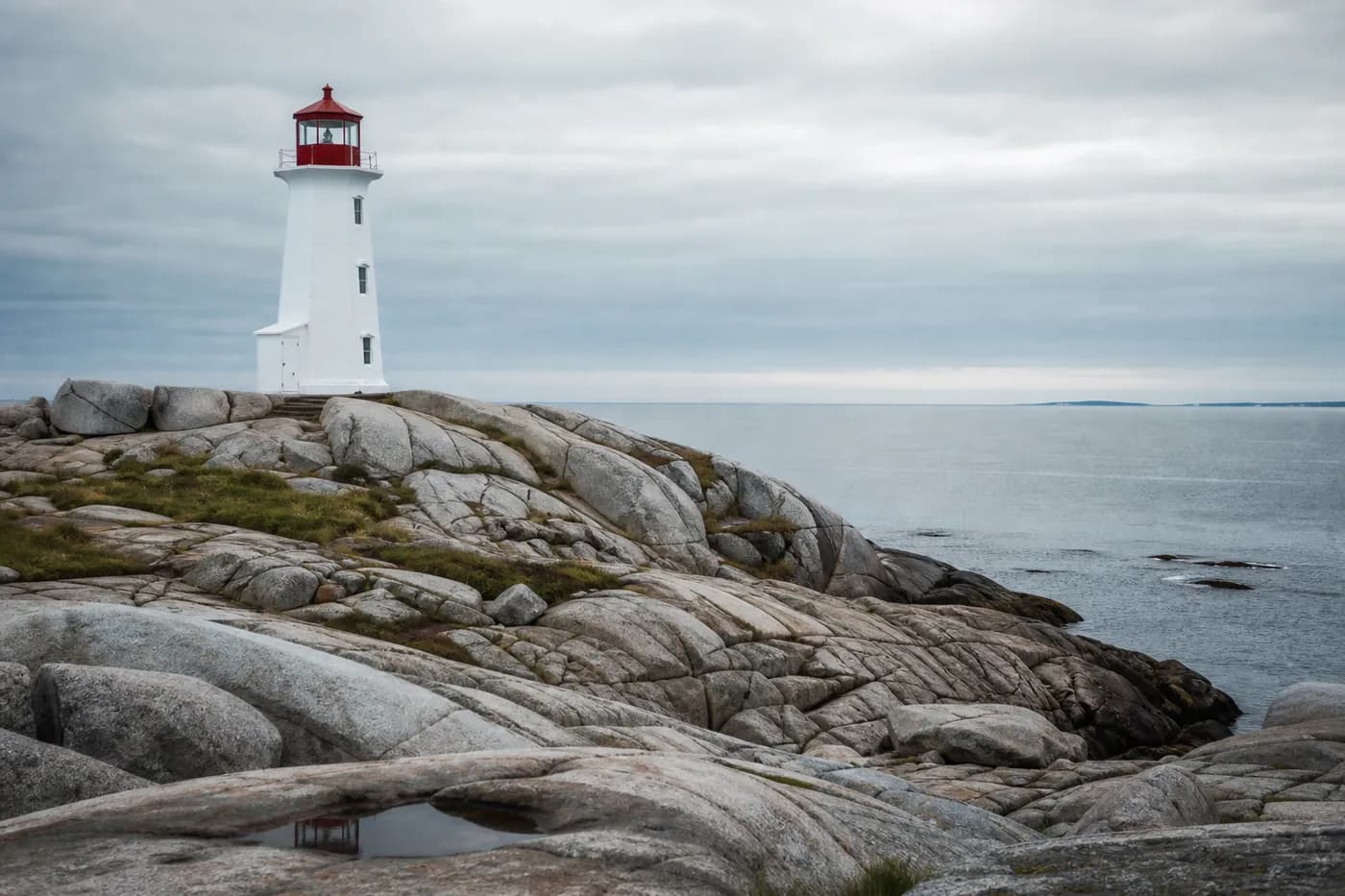
Nova Scotia combines Halifax, Atlantic Canada’s largest urban centre, with smaller towns and coastal or rural communities. It offers academic, community and regional practice environments within a province where the sea is rarely far away, although travel time and local service access vary by region.
Everyday life
Halifax has universities, restaurants, arts and international air links, while the Annapolis Valley, South Shore, Northumberland Shore and Cape Breton offer distinct community settings. Coastal weather can change quickly; winters are variable and summers are generally moderate. Outdoor life often centres on beaches, trails, sailing and coastal parks.
Best known for
- Halifax
- The Atlantic coastline
- Cape Breton
- The Cabot Trail
- Maritime culture
- Seafood
- Compact coastal communities
Route snapshot
First route to assess
Approved-jurisdiction route
Outcome if approved
Full licence
Immigration route
NSNP physician criteria or AIP
Licensing and relocation requirements
Nova Scotia’s approved-jurisdiction policy, approved on 12 December 2025, can lead a qualifying UK GP to a Full licence. The UK profile is GMC-accredited GP vocational training meeting RCGP standards plus MRCGP, with training and certification completed in the same approved jurisdiction.
The applicant also needs a recognised medical degree, source verification, English evidence, at least 450 hours of relevant clinical practice in the previous three years, and LMCC or a published acceptable alternative. One alternative is five years of qualifying postgraduate training and/or independent specialty practice with the required recent independent-practice intensity. Before the licence is issued, CPSNS requires an offer letter or confirmation of privileges from Nova Scotia Health or IWK. The older Defined licence remains a separate supervised option for some applicants who do not meet the Full route; it should not be presented as the default UK GP pathway.
Immigration prospects
Nova Scotia consolidated its nominee programme in February 2026, but retained physician criteria within the NSNP Skilled Worker stream. The physician route is built around an approved employment opportunity from Nova Scotia Health or IWK and provincial selection; it is not a general invitation for any clinic offer. The Atlantic Immigration Program may provide another employer-led route where the employer is designated and the offer is endorsed. An eligible AIP candidate can seek the programme’s employer-specific LMIA-exempt work permit, while a supported provincial nominee may qualify for the federal physician work-permit process. Express Entry is also possible for candidates who meet its separate requirements. Licensing, nomination and work authorisation should be planned together.
Official sources for Nova Scotia

Prince Edward Island
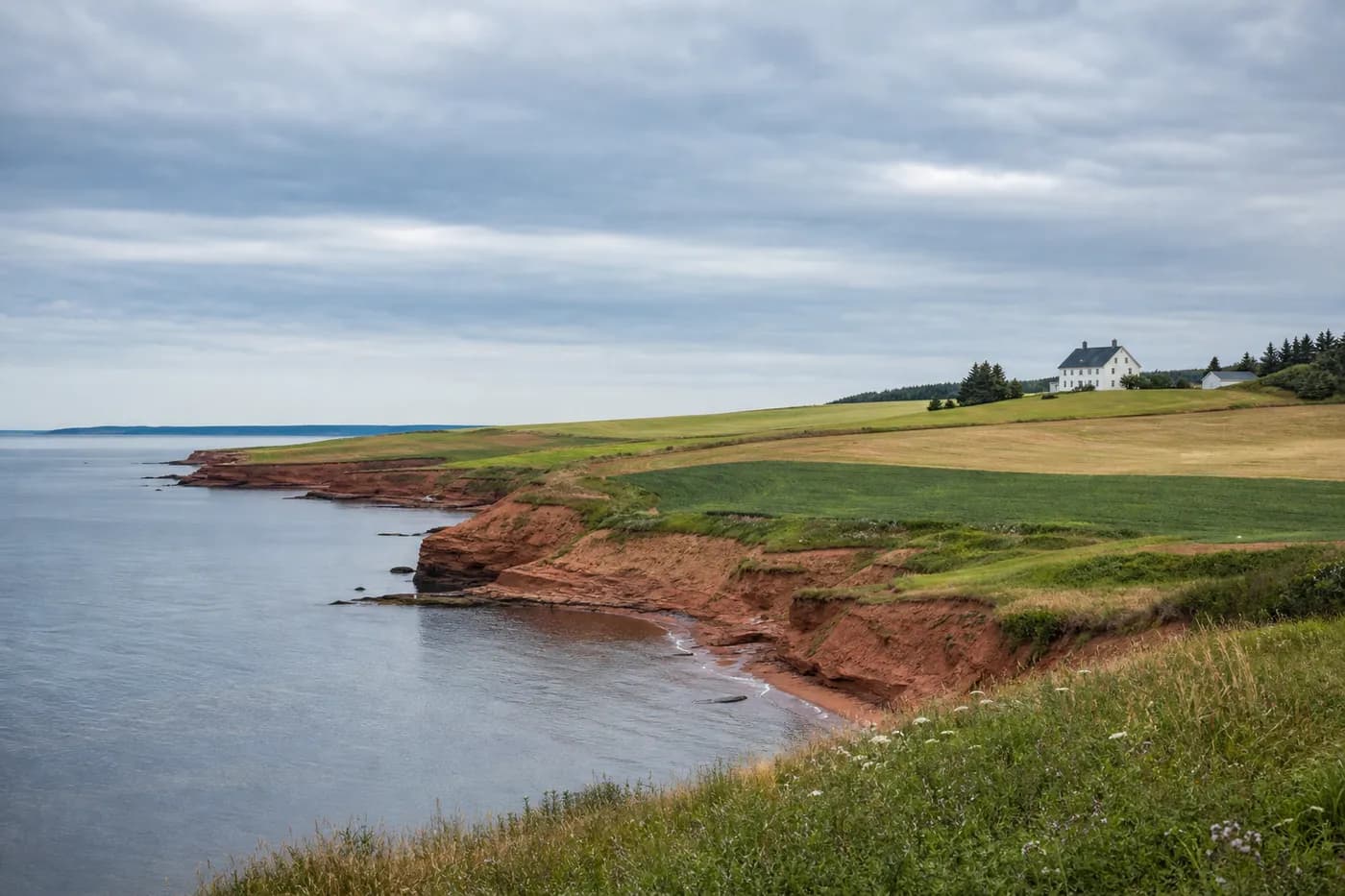
Prince Edward Island is Canada’s smallest province, with Charlottetown as its capital and Summerside as its second city. Its scale can suit GPs who want close community relationships and short local journeys, while accepting a smaller professional market and the need to travel off-island for some services or connections.
Everyday life
Island life is shaped by coastal communities, agriculture and seasonal tourism. Beaches, cycling, walking and water activities are easily accessible, and summer is lively. Winter is quieter, windy and snowy. The Confederation Bridge provides year-round road access to New Brunswick, but flights and specialist services are more limited than in a large province.
Best known for
- Red-sand beaches
- Anne of Green Gables
- Charlottetown
- The Confederation Trail
- Seafood
- Farmland
- A close-knit island identity
Route snapshot
First route to assess
UK certification alternative plus LMCC alternative
Outcome if approved
General registration
Immigration route
AIP or PEI Skilled Worker Outside Canada
Licensing and relocation requirements
PEI accepts qualifying UK family-medicine training and current UK family-medicine certification as an alternative to CCFP. With an acceptable alternative to LMCC, a successful applicant may obtain General registration without conditions or restrictions. Published LMCC alternatives include specified US examinations, an acceptable degree plus MCCQE and at least one year of satisfactory postgraduate training, or five years of qualifying post-training practice as the most responsible physician at the required annual intensity, subject to Registrar satisfaction.
The full file also includes source verification, language, good standing, references, criminal checks and at least 450 hours as the most responsible physician in the previous three years. PEI does not currently operate its own practice-ready assessment programme. A complete UK profile should therefore be assessed against General registration first, not directed to a fictional “PRA-PEI.”
Immigration prospects
PEI currently limits new Atlantic Immigration Program endorsements to healthcare, construction and manufacturing, so a qualifying physician sits within a provincial priority sector. The route still requires a permanent, full-time offer from a designated employer, a settlement plan, language evidence, education assessment where required and provincial endorsement. An endorsed candidate with a referral letter may apply for the AIP’s two-year employer-specific LMIA-exempt work permit. PEI’s Workforce/Express Entry selections also prioritise healthcare, but invitations depend on the province’s current needs and limited allocation. Health PEI may support a different LMIA-based temporary work-permit process for recruited physicians. The exact employer and immigration route must be confirmed before assuming either mechanism applies.
Official sources for Prince Edward Island

Newfoundland and Labrador
Newfoundland and Labrador combines St John’s and other island communities with the much larger, sparsely populated mainland region of Labrador. It can offer broad community practice and strong local identity, but distance, weather, transport and access to specialist services need serious location-specific planning.
Everyday life
St John’s has a distinctive arts, music and food scene, while smaller communities are closely tied to the coast and local networks. The province is well suited to hiking, coastal scenery, wildlife and outdoor exploration. Weather can be windy, wet and changeable, and travel between remote communities may involve long drives, ferries or flights.
Best known for
- Rugged Atlantic coastline
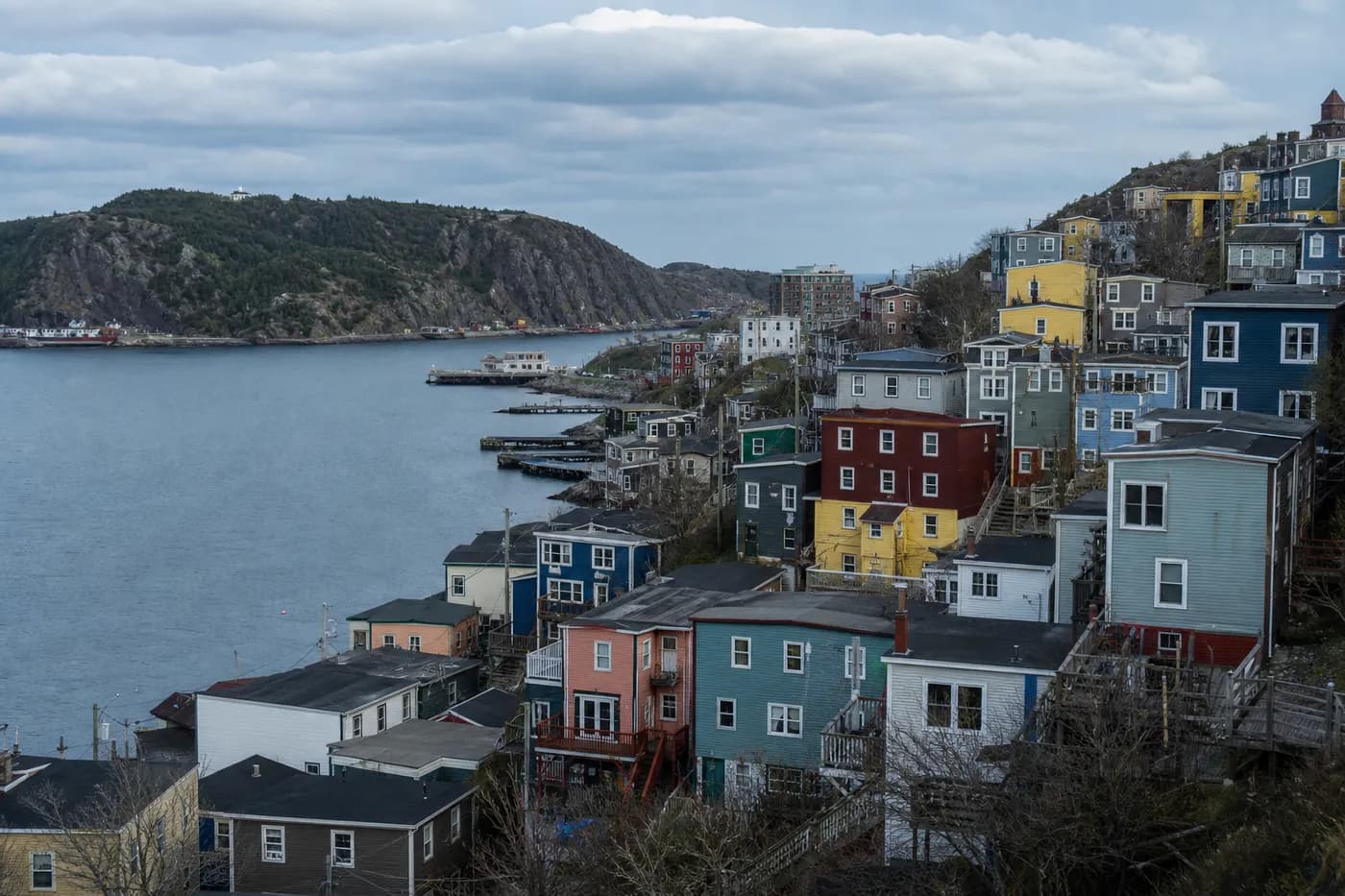
- Colourful St John’s
- Gros Morne
- Iceberg and whale viewing
- Fishing heritage
- Music
- Strong community culture
Route snapshot
First route to assess
Approved Jurisdiction Full Licence
Outcome if approved
Full licence
Immigration route
NLPNP or AIP
Licensing and relocation requirements
Since 19 February 2026, CPSNL’s Approved Jurisdiction Full Licence policy allows a qualifying UK-trained family physician to pursue a Full licence. The applicant must have completed postgraduate family-medicine training in a jurisdiction approved by the CFPC and satisfactorily completed family-medicine certification in that jurisdiction.
Applicants under this policy are exempt from the Canadian medical examination requirements that would otherwise apply. CPSNL still reviews the medical degree, source-verified credentials, good standing, conduct, English evidence, scope and clinical currency. The current currency policy normally requires at least 450 hours of direct clinical practice in the intended area during the preceding three years. Falling short leads to regulator review of assessment or remediation rather than an automatic permanent refusal. Older provisional-route material should not displace the newer Full route for an aligned applicant.
Immigration prospects
Newfoundland and Labrador operates both the NL Provincial Nominee Program and the Atlantic Immigration Program through an expression-of-interest model. Physicians are listed as in-demand health professionals, are exempt from the province’s labour-market testing requirement and receive priority processing, but an EOI must still be selected before an application is invited. The NLPNP route requires the applicable eligible employer, job and licensing evidence; AIP requires a designated employer and provincial endorsement. An endorsed AIP applicant may seek its two-year employer-specific LMIA-exempt permit, while an eligible supported provincial nominee may use the federal physician work-permit process. Express Entry remains another possible permanent-residence route. A Full licence improves readiness but does not itself create an immigration entitlement.
Official sources for Newfoundland and Labrador
- CPSNL — Full licence, direct-entry family medicine
- CPSNL — Approved Jurisdiction Full Licence policy
- CPSNL — Currency of practice
- Newfoundland and Labrador — Immigration programmes
- Newfoundland and Labrador — Positions exempt from labour-market testing
- Newfoundland and Labrador — EOI invitation updates
- Newfoundland and Labrador Tourism — St John’s
Federal sources
Immigration rules that apply across every province
Provincial licensing sits alongside federal immigration rules. These are the pages the national parts of this guide were written from.
- IRCC — Medical doctors who have not worked in Canada
- IRCC — Medical doctors with Canadian experience
- IRCC — Express Entry category-based selection
- IRCC — Faster work-permit processing for eligible physicians
- IRCC — Atlantic Immigration Program eligibility
- IRCC — Atlantic Immigration Program work experience
- IRCC — Atlantic Immigration Program temporary work permit
- CFPC — Recognised training and certification from outside Canada
- MCC — Source verification of credentials
Not sure which province fits your file?
Answer a short set of questions about your training, certification and recent practice, and we’ll show the province-specific route that may be most relevant to explore.