
How to Find a BC Family Doctor: Waitlists and Directories
By Careviv Editorial Team, Careviv
Nearly a million BC residents are without a family doctor. Here's how to register with the Health Connect Registry, bridge care through UPCCs and virtual clinics, and use directories to find a practice accepting new patients.
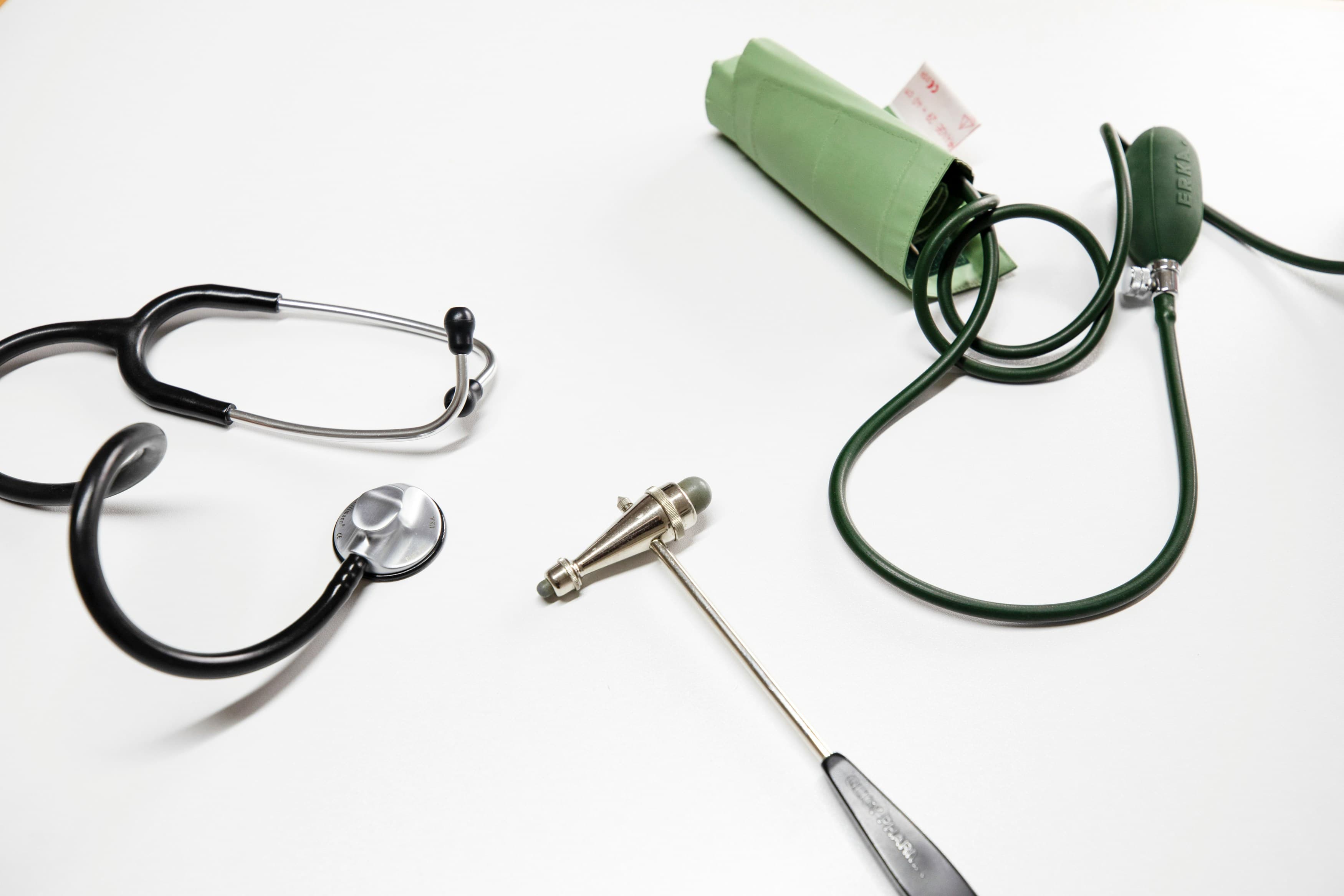
Have you spent a Saturday morning calling walk-in clinics, only to discover they reached capacity in minutes? According to provincial data, nearly a million residents currently need a BC family doctor. This exhausting cycle relies on "episodic care" — quick, temporary fixes without anyone tracking your health over the long term. If you are asking how can I find a doctor or searching for a doctor near me, this guide will help you map a smoother route.
British Columbia has finally shifted toward a centralized search system. Officials now prioritize "longitudinal care," where a dedicated provider owns the "Book of You" to monitor your history over time. Securing this permanent connection, officially called "attachment," no longer requires cold-calling local clinics. This is the simplest starting point for anyone trying to find a family doctor BC or learning how to get a family doctor in BC.
Stop Refreshing Walk-In Pages: How BC's New Registry Replaces the Luck-Based Search
Instead of random visits to clinics that only address immediate issues — much like a quick oil change that ignores the vehicle's full history — the health system wants to connect you with a Full-Service Family Practice.
Joining the centralized BC doctor waitlist begins this relationship, unlocking the benefits of primary care where today's symptoms seamlessly connect to past records. While you wait for attachment, sudden injuries and illnesses will still happen — and that's where Urgent and Primary Care Centres come in.
Sore Throat or Sprained Ankle? When to Use Urgent and Primary Care Centres (UPCC)
When a feverish toddler wakes up crying, Urgent and Primary Care Centres (UPCCs) provide immediate, reliable relief. UPCCs are designed specifically as bridge care for non-emergencies needing attention within 12 to 24 hours, rather than managing your long-term health history.
If you are ever unsure how severe an illness is, simply call 811 HealthLink. This free, 24/7 provincial service connects you to a registered nurse who will instantly triage your situation over the phone to recommend the safest medical next step.
Before frantically searching for clinic locations, use this basic checklist to choose between a UPCC and the Emergency Room:
- UPCC appropriate: sprained ankles, cuts needing stitches, minor infections, or high fevers.
- Emergency Room: suspected strokes, severe chest pain, or uncontrollable bleeding.
Once today's minor crisis is patched up, it is time to secure your long-term spot in the provincial system.
Registering for the Health Connect Registry: The 5-Minute Step to Getting Your Name on the List
By signing up for the Health Connect Registry BC, you transition from temporary walk-in visits to securing a provider who will actively track your long-term health history. If you are wondering how do I get a doctor or how can I get a family doctor in BC, this is the official path.
Getting your name on this list takes about five minutes online. You only need your home address, a brief description of your current medical needs, and an active Personal Health Number. Government resources exist online explaining exactly how to register for a provincial health number if you are a brand-new resident. For newcomers exploring how to get family doctor in Canada, BC uses this same registry-based approach.
Once you hit submit, your local Health Authority — the regional organization managing medical services in your specific community — takes over the heavy lifting. They securely review your file and actively work to connect you with a clinic that has the capacity to take on your specific care needs. Across regions, Health Authorities are continually registering patients and matching them with physicians taking patients as space opens.
While registering for the provincial medical waitlist guarantees your spot in line, the matching process can still take several months depending on your neighborhood. If you ever decide to switch after you are attached, ask the new clinic how to change family doctor in BC; most offices guide you through record transfers when registering patients.
Unlocking the Pathways Directory: How to Find Family Physicians Still Accepting Patients Manually
Even though the registry is your primary strategy, waiting feels frustrating. Because some independent clinics still manage their own intake, proactive patients often use directories to find physicians actively taking patients manually. These tools also help with common searches like how to find a family physician, find a family doctor BC, or even find a doctor BC Canada.
To maximize your search without wasting hours, leverage three specific tools:
- Pathways Medical Care Directory: use the built-in filters to pinpoint doctors accepting new patients in your specific neighborhood — try terms like doctors accepting new patients BC, family medicine doctors near me, doctors accepting new patients Surrey, family physicians accepting new patients, or family doctors near me accepting new patients.
- BC College of Physicians (CPSBC): the official directory of physicians BC — use it to verify a doctor's current credentials and standing.
- Division of Family Practice websites: check these regional network pages for local clinic updates. Some list clinics that are registering patients or identify physicians taking patients.
Most directories let you filter by language and gender — helpful if you are searching for a lady family doctor near me. And if you are tempted to type where is dr or where is doctor into a search bar, directories provide more accurate location and contact details.
The NP Advantage: Why Choosing a Nurse Practitioner Can Slash Your Wait Time
When figuring out how to find a general practitioner in British Columbia, many residents overlook a powerful alternative. If you are exhausted searching for family medicine doctors without success, expanding your options to include a Nurse Practitioner (NP) can significantly slash your wait time.
Think of an NP as a fully qualified primary care provider capable of managing everyday health concerns. Just like a standard physician, they confidently prescribe medications, order diagnostic tests, and refer you to specialists when needed. If your goal is to find a family physician BC more quickly, consider NP-led clinics that may have earlier availability.
Because the province is actively expanding this profession, nurse practitioners are often accepting new patients much faster than traditional clinics.
Managing Your 'Health Story' While Waiting: Virtual Care and Record Transfers
Sitting on a waitlist does not mean you have to pause your health needs. Accessing virtual healthcare options for BC residents offers immediate relief for simple, everyday medical issues. Virtual clinics can help you handle short-term needs while you work to find a doctor BC for long-term care.
Telehealth apps allow you to safely renew standard prescriptions or get quick sick notes without leaving your couch. Because your Medical Services Plan (MSP) fully covers virtual visits with BC-based clinics, you avoid unexpected out-of-pocket costs.
Keeping your medical history intact is equally important, especially if your previous physician recently retired. Understanding how to transfer medical records between clinics ensures your future care team inherits your complete, uninterrupted health story. Temporary virtual providers can even order diagnostic tests or explain how to get a referral without a family doctor.
Your BC Doctor Roadmap: 3 Essential Steps to Take This Week
Instead of feeling overwhelmed by waitlists, you now have a proactive strategy for securing primary care. Take control of your healthcare journey today by completing these specific steps:
- Register for Health Connect: this five-minute task secures your official spot in line.
- Search Pathways: manually filter for clinics adjusting their intake in your neighborhood.
- Locate a local UPCC: identify your nearest options for urgent, non-emergency care before you need them.
While discovering how to get a family doctor in BC requires patience, utilizing the centralized registry, exploring nurse practitioners, and leveraging virtual care ensures your health needs are met during the transition. If you are still asking how to get a family doctor or how can I find a family doctor in your area, start with the registry and supplement with directories until you are attached to a BC family doctor.


