OHIP eligibility for newcomers to Ontario
For permanent residents, the process is usually more direct. A new permanent resident who moves to Ontario and makes Ontario their primary home can generally apply for OHIP once they have the required documents. Because Ontario currently has no OHIP waiting period for eligible applicants, the practical advice is simple: do not delay the application unnecessarily.
For Canadian citizens returning from abroad, the key issue is usually not citizenship but residency. You may be Canadian, but OHIP is provincial coverage. You need to establish Ontario as your primary residence and meet Ontario's physical presence rules.
For international students, the answer is more complicated. Many international students are not eligible for OHIP unless they fall into another eligible category. In Ontario, universities often use private or institutional plans such as UHIP for international students. Studying in Ontario and having OHIP are not the same thing.
For work permit holders, eligibility can exist, but it is conditional. Settlement.org summarizes that work permit holders may be eligible if they have a work permit valid for at least six months and are working full-time for an employer in Ontario. It also notes eligibility pathways for certain federal programs such as the Live-In Caregiver Program and Seasonal Agricultural Worker Program. ServiceOntario may need evidence of the work permit, the employer relationship, and the duration or nature of employment.
If you are moving to Canada from the UK or another country, treat OHIP as a separate step from immigration paperwork: confirm status, residency, and documents before you assume coverage on arrival.
What documents do you need for OHIP?
The answer is that you need to prove three things: your eligibility status, your Ontario residency, and your identity. Ontario's Central Forms Repository has an official Ontario Health Insurance Plan Document List, which accompanies the Registration for OHIP and Change of Information forms and lists acceptable ID documents for Ontario health coverage applications.4
In practical terms, applicants should prepare original documents, not just photos on a phone, and should make sure names and addresses are consistent where possible.
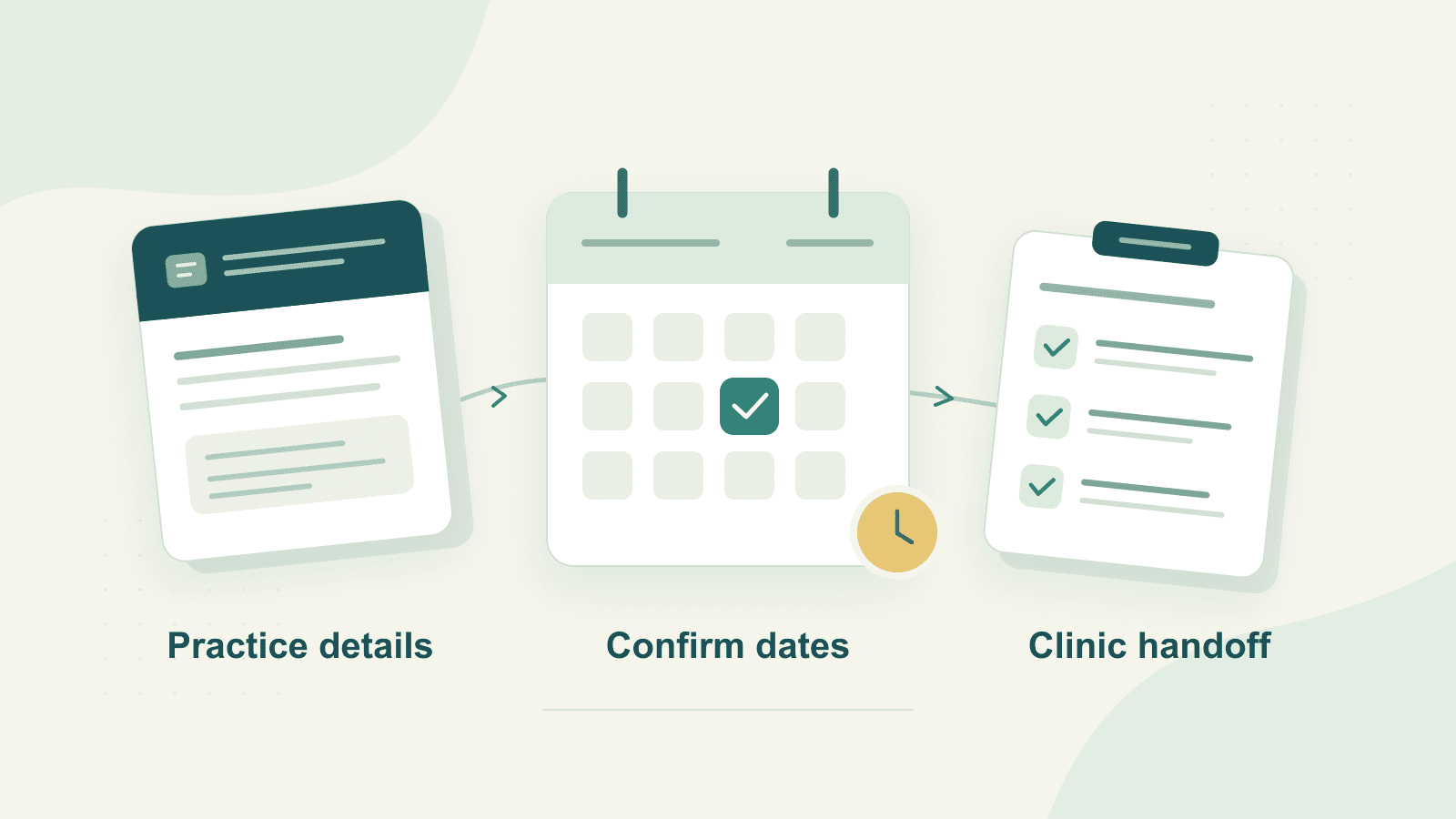
A typical OHIP application package may include:
- A completed OHIP registration form.
- Proof of eligible status in Canada (birth certificate, passport, permanent resident card, confirmation of permanent residence, protected person document, or qualifying work permit).
- Proof of Ontario residency (lease, utility bill, bank statement, employer record, or similar).
- Proof of identity (government-issued ID showing name and signature, such as a passport).
The exact documents accepted depend on the applicant's situation. A permanent resident, a Canadian citizen, a work permit holder, and a protected person may each need a slightly different set. That is why the official OHIP document list is valuable: it prevents people from relying on hearsay.
Can you apply for OHIP online?
Some Ontario health card services can be handled online, such as renewals or replacements, but a first-time OHIP card application often requires an in-person visit to ServiceOntario, especially because identity and original documents need to be verified.3
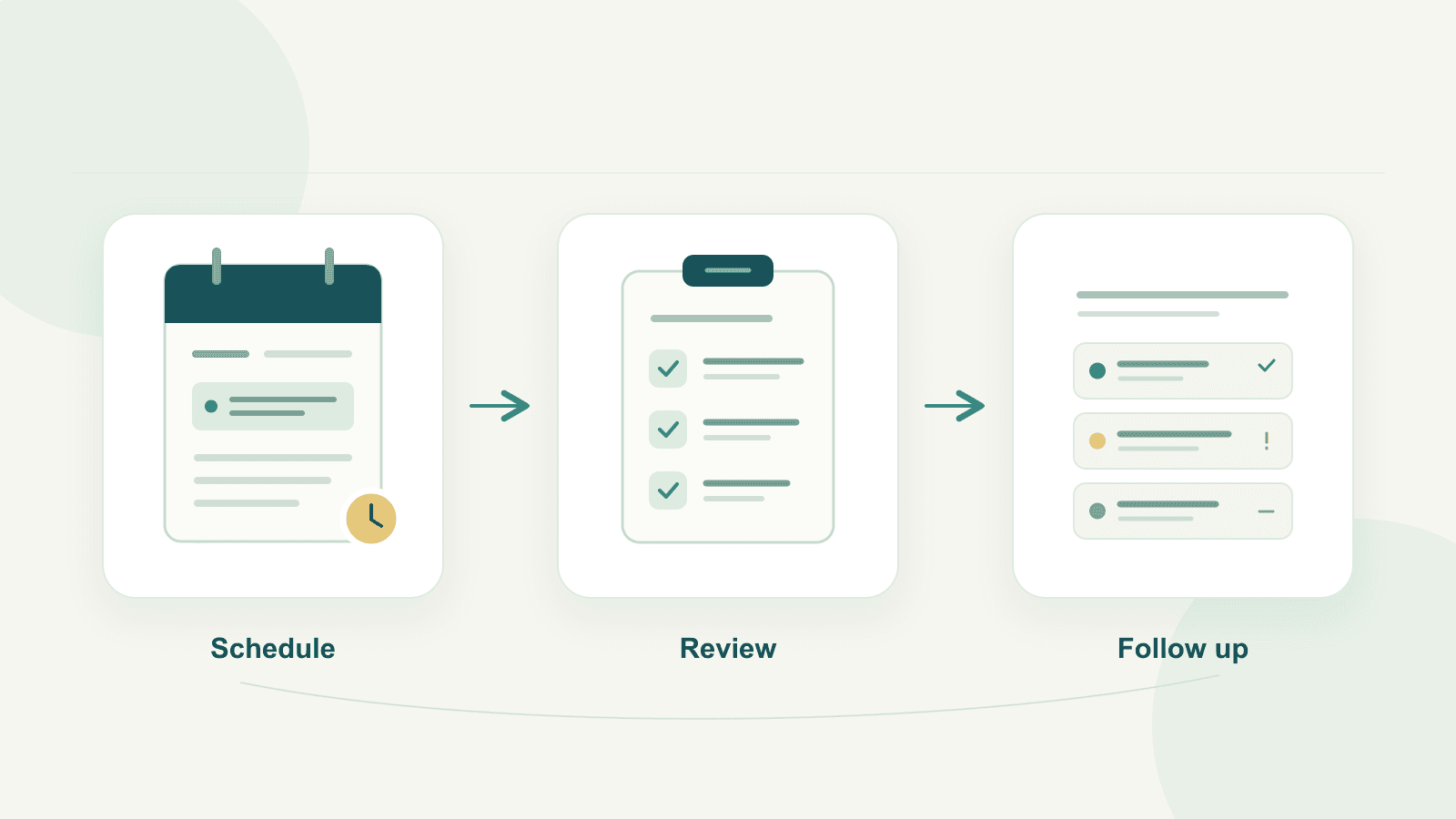
Anyone older than 15½ generally needs to apply for their own health card in person, according to newcomer settlement guidance. For first-time applicants, the safest workflow is to review eligibility on Ontario.ca, gather the required original documents, complete the registration form, and then visit a ServiceOntario centre. After approval, the health card is generally mailed to the applicant.
Use online resources to prepare, but expect ServiceOntario to verify the application in person. Searching "apply OHIP online" and assuming the entire process is digital is a common mistake that costs time.
Where do you go to get a health card in Ontario?
The usual answer is ServiceOntario. Check the nearest ServiceOntario location and confirm whether that location provides health card services before going — not every service counter handles every transaction.
When attending ServiceOntario, bring original documents. Bring more supporting documents than the minimum if your situation is unusual, especially if you are a work permit holder, recently arrived permanent resident, or someone whose address has changed. A missing address document or unclear employment letter can delay the application.
What does OHIP cover?
OHIP covers many medically necessary services, but it does not cover everything people may think of as healthcare. Ontario's official "What OHIP covers" page identifies covered areas including doctor services, hospital visits and stays, laboratory testing, abortion services, dental surgery in hospital, and optometry in specific circumstances.2
For most residents, the most important covered services are visits to doctors, hospital care, emergency care, and medically necessary testing. However, OHIP generally does not mean all prescriptions, dental care, routine eye care for all adults, cosmetic procedures, private rooms, or all allied health services are free. Many people still need employer benefits, private insurance, student coverage, or out-of-pocket payment. For dental specifically, federal programs such as the Canadian Dental Care Plan may help eligible residents who lack other coverage — separate from OHIP.