For compensation context when comparing offers, see family physician salary in Canada for UK GPs and UK vs Canada doctor pay.
How UK GPs can work as family doctors in Canada
British GP training is often more portable than training from many other jurisdictions, but the pathway remains province-specific. The Medical Council of Canada explains that international medical graduates should understand the requirements of the medical regulatory authority in the province or territory where they plan to practise. physiciansapply.ca supports credential source verification and sharing documents with regulators.67
The College of Family Physicians of Canada offers a Jurisdictional Route through which Certification in the College of Family Physicians of Canada may be granted without examination to physicians who meet criteria for recognized training and certification outside Canada — including the United Kingdom.8 Provincial registration, supervision, provisional licensing, and return-of-service rules still apply.
In British Columbia, Practice Ready Assessment–BC provides an alternative route for internationally trained family physicians. PRA-BC reports that since 2015 it has assessed hundreds of family physicians placed across BC communities, with successful participants typically completing a return of service in a community needing medical services.910 Nationally, the MCC states that nine provinces run independent Practice-Ready Assessment programs, generally involving workplace-based assessment lasting up to 12 weeks.11
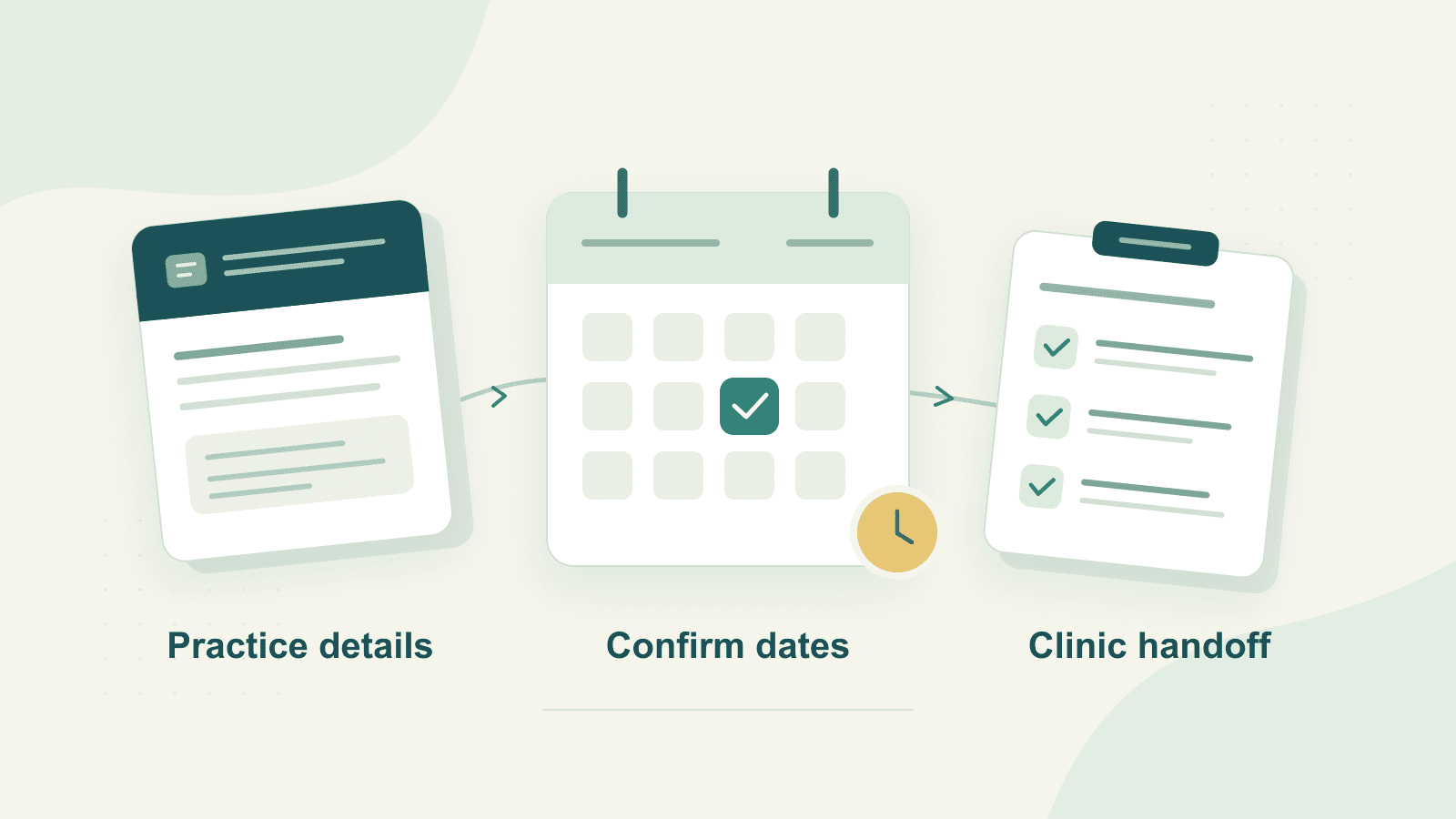
A practical sequence for UK GPs usually includes:
- Confirm eligibility and target province.
- Open a physiciansapply.ca account and source-verify documents.
- Assess CFPC certification options (jurisdictional route vs exams).
- Review provincial college registration requirements.
- Engage provincial recruitment services and identify clinics or communities.
- Only then commit to relocation — including work permits and family planning where relevant.
Canada GP job application process
The Canadian GP job application process is less centralized than the NHS. There is no single national employer. Physicians may work through provincial health authorities, independent clinics, primary care networks, community health centres, hospital groups, or private clinic operators.
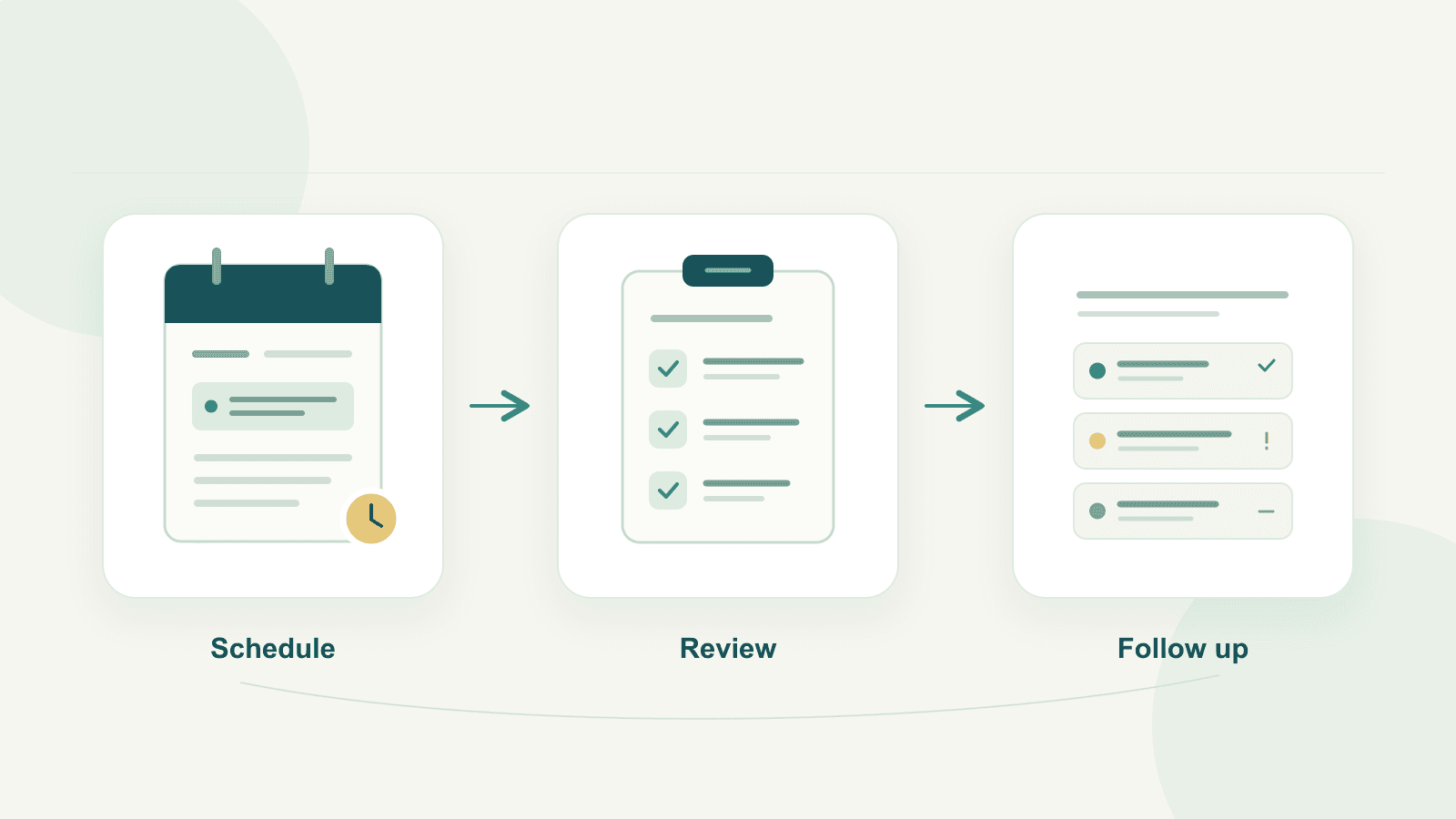
A practical five-stage process:
- Choose a target province — affects licensing, recruitment support, compensation, and clinic options.
- Confirm your pathway — recognized route, PRA, or other IMG pathway per the provincial regulator.
- Engage official recruitment — e.g. Health Match BC; supplement with our job opportunities overview.
- Compare practice models — fee-for-service, alternative payment plans, salaried roles, walk-in, hybrid; evaluate overhead and panel support, not only headline billings.
- Negotiate operations — hours, after-hours, EMR, billing support, nursing, vacation, onboarding, and relocation support.
Recruitment agencies for doctors in Canada
Recruiters can help, but physicians should distinguish three types of recruitment support. Official provincial infrastructure (e.g. Health Match BC) is publicly funded and connected to health employers. Health authority or clinic recruitment fills specific vacancies. Private agencies may help with matching and relocation but should not replace regulator and CFPC guidance — verify licensing knowledge and who pays the agency.
For clinics, recruitment agencies alone rarely solve the problem. Winning strategies include reduced administrative burden, modern EMR workflows, team-based support, transparent compensation, and credible onboarding for international doctors — themes we cover in Canadian clinic operations. Careviv is building toward better matching among physicians, clinics, and patients inside a broader healthcare access platform.
What clinics must understand about physician recruitment
Many Canadian clinics approach recruitment as if the problem is visibility: post a job, wait for applicants, offer a signing bonus. That is no longer enough. Physicians — especially internationally trained physicians — evaluate clinics as operational environments.
- Is there MOA support and realistic scheduling?
- Is the EMR efficient? Is there billing support?
- Is there collegial support and a pathway to partnership?
- Can the physician blend walk-in and longitudinal care?
CIHI's 2026 reporting on family doctor retention notes that 22% of family doctors surveyed in Canada reported intending to stop seeing patients regularly within the next three years.1 Recruitment is not only about hiring; it is about retention. The best strategy is a practice environment doctors do not want to leave.
Best opportunities for family doctors
Strong opportunity areas for UK GPs and Canadian family physicians include:
- Longitudinal family medicine in high-demand suburban communities.
- Walk-in and urgent primary care in BC, Ontario, and Alberta for flexible schedules.
- Rural and regional practice with incentives and broader scope.
- Hybrid models combining in-person, virtual, urgent care, and chronic disease management.
- Clinic partnership or ownership in underserved suburban markets.
Where should a UK GP start?
British Columbia is often the most intuitive starting point for UK GPs because of lifestyle, recruitment branding, and Health Match BC. Ontario is a strong second option for population scale and variety. Alberta deserves consideration for income, housing balance, and rural programs. Atlantic Canada, Saskatchewan, and Manitoba reward physicians open to regional or rural practice.
The best province is not found through a generic ranking. It is found through a structured comparison of licensing pathway, job availability, compensation model, lifestyle, family needs, immigration timeline, and clinic readiness. Canada's physician shortage is real. The opportunities are real. The winners — doctors, clinics, and patients — navigate the system with precision rather than hope. Explore Careviv doctor relocation as you build that comparison.
Why is demand for family physicians so high in Canada right now?
Supply is falling behind population growth. CIHI reports family physicians per 100,000 dropped from 124 (2022) to 120 (2023) to 119 (2024), with supply growth lagging population growth two years in a row. The CFPC estimates more than six million people are without a family doctor. Although total clinical payments reached $34.6 billion in 2023–2024, the shortage is structural. Demand is strongest in longitudinal family medicine, rural/remote practice, walk-in and urgent primary care, and community-based networks — plus private and semi-private clinics in BC, Ontario, Alberta, and parts of Atlantic Canada.
Is there a single best province for UK GPs?
No. British Columbia offers lifestyle appeal and Health Match BC infrastructure. Ontario has the largest population and breadth of roles but higher competition and housing costs in metros. Alberta combines urban and RRNP-supported rural incentives. Atlantic Canada and the Prairies suit physicians open to smaller communities and broad-scope practice. Choose based on licensing clarity, recruitment support, compensation model, and personal fit — not a generic ranking.
What are the main licensing routes for UK GPs?
Start with the MCC and physiciansapply.ca for credential verification and provincial regulator requirements. CFPC may grant certification without exam through the Jurisdictional Route for recognized jurisdictions including the UK, but provincial registration still applies. Many provinces run Practice-Ready Assessment programs — e.g. PRA-BC with workplace assessment and return-of-service in underserved communities. Nine provinces run PRA programs nationally, often with up to 12 weeks of assessment.
How should doctors weigh rural versus urban jobs?
Compare scope, support, service commitments, and lifestyle — not only income. BC, Ontario, and Alberta each run rural retention or recruitment initiatives with different fee premiums, tax credits, or flat payments. Evaluate call, hospital duties, clinic infrastructure, spousal employment, schools, and housing alongside bonuses.
How does GP recruitment work in Canada?
It is decentralized. Apply through health authorities, clinics, primary care networks, or private operators. Pick a province, confirm your licensing pathway, use official recruitment services, compare practice models and overhead, then negotiate operational terms. Clinics that succeed offer transparent compensation, team support, modern workflows, and strong onboarding — retention matters as much as hiring.
Before comparing job offers, review the Canadian GP salary, overhead and clinic-split guide so compensation figures use matched definitions.
Physicians comparing provinces can use the Saskatchewan family physician jobs guide to review licensing, practice settings, payment models, rural incentives and offer terms.
Physicians comparing provinces can use the Manitoba family physician jobs guide to review licensing routes, practice settings, payment models and offer conditions.