
Things to Do in Vancouver BC: A Practical Guide
By Careviv Editorial Team, Careviv
Explore the best things to do in Vancouver, from Stanley Park and Granville Island to beaches, culture, food, and family-friendly attractions.
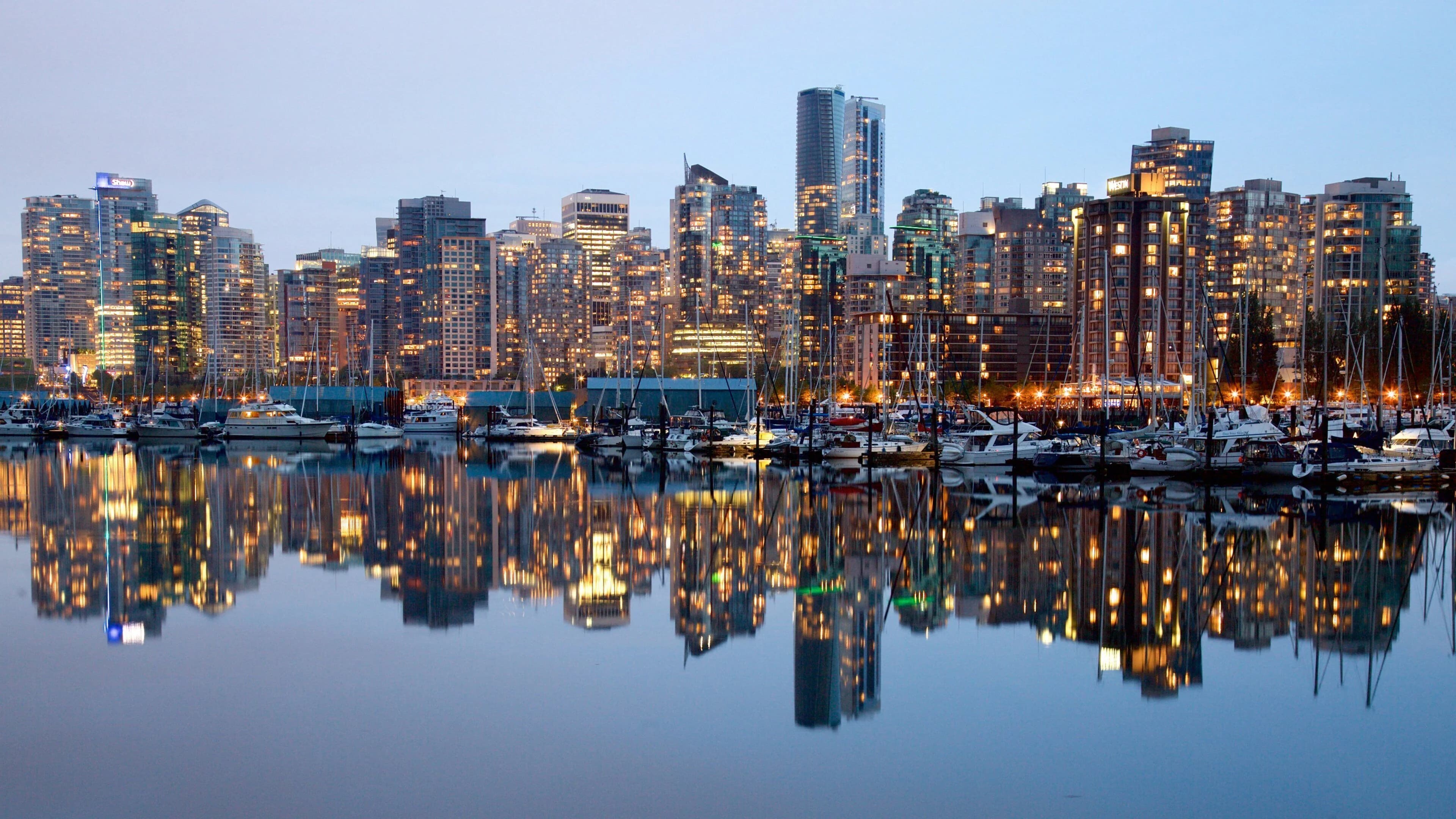
If you are planning the best things to do in Vancouver or searching for things to do in Vancouver BC Canada and stuff to do in Vancouver beyond the obvious, this practical guide is for you.
Vancouver is one of those cities that looks almost unfair on a clear day - beautiful Vancouver, Canada at its most dramatic. You can be downtown with a coffee in your hand, look north, and see mountains rising over glass towers. Walk a little farther and you are by the water. Take transit or drive for a short while and suddenly you are in forest, on a beach, beside a suspension bridge, or halfway up a mountain wondering whether your shoes were a poor life decision.
For visitors, newcomers, international students, relocating professionals, and families considering a move to British Columbia, Vancouver is not just a place to "visit." It is a city you experience in layers. The first layer is obvious: Stanley Park, Granville Island, Canada Place, and the mountain views. The second layer is more local: neighbourhood walks, quiet beaches, food markets, community parks, and small cultural spots that make the city feel livable rather than just photogenic. Think of it this way if you are making a checklist of things to do in Vancouver Canada or what to see in Vancouver BC: start with the icons, then add the local layers.
At Careviv, we spend a lot of time thinking about what helps people settle into Canada. Healthcare access matters, of course. But so does feeling oriented in a new city. Knowing where to take your family on a weekend, where to walk after work, or where to bring visiting relatives can make Vancouver feel less like a map and more like home. If you are moving for clinical work, Careviv's doctor relocation resources can help connect the practical city questions with the bigger professional move.
Below is a practical guide to things to do in Vancouver, plus Vancouver area things to do, organized around five useful ways to explore the city.
Top 10 Must-See Attractions in Vancouver
Let us start with the classics. Yes, they are popular. Yes, some are touristy. But some places are popular for a reason. These attractions in Vancouver BC Canada cover must see sights in Vancouver and classic Vancouver sightseeing places.
Stanley Park is the obvious first stop, and it deserves the attention. The City of Vancouver describes it as the city's first, largest, and most beloved urban park, with 400 hectares of West Coast rainforest, trails, beaches, waterfront views, landmarks, wildlife, and family attractions. The Seawall around Stanley Park is one of the best "first day in Vancouver" walks you can do. It gives you water, mountains, skyline, forest, and enough fresh air to make you briefly believe you are now a very outdoorsy person.
Granville Island is another essential. It is not actually an island in the dramatic tropical sense, but it is one of Vancouver's best places for food, local shops, galleries, and people-watching. The Public Market is the main draw, especially for visitors who enjoy browsing produce, baked goods, seafood, flowers, and small food stalls. Go hungry. That is not a suggestion; that is a strategy.
Canada Place is worth visiting for the views alone. The white sail-like roof is one of Vancouver's most recognizable waterfront features, and the area gives you a great look across Burrard Inlet toward the North Shore mountains. Set in downtown British Columbia's busy waterfront core, it is also close to Waterfront Station, making it easy to reach by SkyTrain, SeaBus, or bus.
Gastown is one of Vancouver's oldest neighbourhoods and is commonly visited for its brick streets, restaurants, boutiques, and the famous steam clock. It can feel a little polished for tourists in parts, but it is still a good walking area, especially if you combine it with nearby downtown waterfront stops.
Capilano Suspension Bridge Park is technically in North Vancouver, but most visitors treat it as part of the Vancouver experience. It is famous for its long suspension bridge over the Capilano River and forested setting. It is not the cheapest attraction, but for many first-time visitors, it is memorable.
Grouse Mountain is another North Shore favourite. In winter, it offers skiing and snow activities. In warmer months, people go for views, hiking, and outdoor experiences. Destination Vancouver highlights skiing near the city at mountain resorts such as Grouse, Cypress, and Seymour, which is one of the city's unusual advantages: you can work downtown and still reach mountain terrain surprisingly quickly.
Queen Elizabeth Park is a quieter but beautiful viewpoint. It sits on Little Mountain and offers gardens, skyline views, and easy walking paths. It is a good option if you want scenery without committing to a full hike. If you are compiling what to see in Vancouver BC Canada, put this viewpoint on the list.
Vancouver Aquarium, located inside Stanley Park, is a major family-friendly attraction and often a good rainy-day option. This matters because Vancouver rain is not a myth. It is more like a recurring subscription.
Science World is another reliable choice, especially for families with children. The geodesic dome near False Creek is easy to spot and is close to walking and cycling routes along the water.
Kitsilano Beach rounds out the list. It is one of the city's most recognizable urban beaches, with views across English Bay toward the mountains. In summer, it is lively. In winter, it is still beautiful, just with more jackets and fewer ambitious volleyball players - one of the must see things in Vancouver in any season.
Exploring Vancouver: Hidden Gems to Discover
Once you have done the famous stops, Vancouver becomes more interesting. The city is full of smaller places that do not always appear on every "top attractions" list but are worth your time. If you are asking what to visit in Vancouver Canada beyond the headline spots, these sites to see in Vancouver feel more local.
Start with False Creek. Walking from Olympic Village toward Granville Island gives you water views, condo towers, small parks, marinas, restaurants, and a very Vancouver mix of joggers, cyclists, dogs, strollers, and people carrying expensive coffee. You can also use the small passenger ferries that cross False Creek, which are useful and fun in a low-effort way.
Mount Pleasant is a strong neighbourhood for cafes, breweries, casual restaurants, and murals. Main Street, especially around the Mount Pleasant area, has a more local feel than the downtown tourist circuit. If you want a slow afternoon, walk, stop for coffee, browse small shops, and pretend you are just "checking out the area" when really you are judging which bakery has the best pastry.
Commercial Drive is another neighbourhood with personality. Known for its restaurants, cafes, independent shops, and community feel, it is a good place to experience a more lived-in version of Vancouver. It is less polished than some tourist areas, and that is part of its charm.
VanDusen Botanical Garden is a good option for visitors who like gardens and quieter walks. It is especially beautiful in spring and summer, while the winter light displays can be popular during the holiday season.
Pacific Spirit Regional Park, near UBC, is one of the best places for a forest walk without leaving the city. It feels peaceful, green, and very West Coast. It is also a reminder that Vancouver's best feature is often not one single attraction, but the way nature keeps showing up between neighbourhoods.
Steveston Village in Richmond is a little farther out but worth considering if you have time. It has a fishing village feel, waterfront walks, seafood spots, and a slower pace. For newcomers exploring Metro Vancouver more broadly, it is a good reminder that "Vancouver" is often used casually to describe a larger region, not just the city proper.
Outdoor Adventures: Vancouver's Best Activities
Vancouver's outdoor reputation is not marketing fluff. The city really does make it easy to build outdoor activity into normal life. You do not need to be an elite hiker or own seven types of waterproof jacket, although after one winter here, you may start understanding why locals talk about Gore-Tex like it is a personality trait. Here are some of the best activities in Vancouver for all levels.
If you are not sure what to do in Vancouver BC on a sunny day, the Seawall is the easiest outdoor activity to recommend. You can walk, run, or cycle along sections of it, including Stanley Park, Coal Harbour, Yaletown, False Creek, and Kitsilano. It is scenic, accessible, and flexible. You can do a short 20-minute walk or turn it into a half-day outing.
For hiking, the North Shore has many options and more Vancouver area things to do.
- Lynn Canyon is popular for forest trails and a suspension bridge.
- Quarry Rock in Deep Cove has historically been a favourite beginner-to-moderate hike, though trail access can change seasonally or due to maintenance, so it is always worth checking local updates before going.
- Grouse Grind, meanwhile, is famous and painful. It is a steep climb up Grouse Mountain and not a casual stroll. If someone invites you to do it and says, "It is not that bad," they are either very fit or not telling the whole truth.
For beaches, English Bay, Kitsilano Beach, Jericho Beach, and Spanish Banks each offer a different feel.
- For beach-focused things to do in Vancouver BC, English Bay is central and lively.
- Kits is social and scenic.
- Jericho and Spanish Banks are more spacious and relaxed, with beautiful views of the city and mountains.
In winter, Vancouver has the rare advantage of nearby ski hills. Destination Vancouver specifically notes skiing in Vancouver at resorts including Grouse, Cypress, and Seymour. For truly Canadian things to do in Vancouver, nearby ski hills add skiing, snowshoeing, and snowy viewpoints to the mix. Even if you are not a skier, winter mountain visits can still be worthwhile for views, snowshoeing, or simply proving to relatives overseas that yes, Canada really does snow somewhere near you.
For getting around, visitors and newcomers should understand the basics of transit. TransLink's Compass Card is the reloadable fare card used across Metro Vancouver transit, and it can be loaded with stored value or prepaid passes such as Monthly Passes and DayPasses. For many central attractions, transit is often easier than driving, especially when parking prices start behaving like they have their own mortgage. You will see this all across Metro Vancouver, sometimes casually called Van BC by locals.
Cultural Experiences You Can't Miss in Vancouver
Vancouver's culture is shaped by Indigenous history, immigration, Pacific connections, food, art, film, and neighbourhood life. It is not a city with one single cultural identity. It is more like a table with many dishes on it, and honestly, that is one of its strengths. If you are planning what to see in Vancouver Canada or what to visit in Vancouver, start with these cultural anchors.
A good place to start is with Indigenous art and history. Stanley Park includes First Nations totem poles and cultural landmarks, and the City of Vancouver notes that the park includes historic artifacts, monuments, First Nations works of art, gardens, and landmarks. Visitors should approach these sites respectfully, recognizing that Vancouver is located on the traditional, ancestral, and unceded territories of the Musqueam, Squamish, and Tsleil-Waututh peoples.
For museums and galleries, Vancouver Art Gallery is the major downtown institution. It often features Canadian, Indigenous, and international exhibitions. Museum of Vancouver and Museum of Anthropology at UBC are also worth exploring, especially for people interested in the region's history, design, and cultural context.
Food is another major cultural experience in Vancouver. The city is known for excellent Asian cuisine, including Chinese, Japanese, Korean, Vietnamese, Filipino, Indian, and many other food traditions. Richmond, just south of Vancouver, is especially famous for Chinese food, but you do not need to leave Vancouver to eat well. Sushi is everywhere, and somehow many Vancouverites treat it as both a quick lunch and a basic human right.
Neighbourhoods also tell cultural stories. Chinatown has deep historical significance, even as the area continues to change. Punjabi Market on Main Street reflects South Asian community history. Commercial Drive carries Italian roots alongside many newer layers of community life. Granville Island brings together artists, food producers, performers, and local businesses in a way that feels very Vancouver: creative, scenic, and slightly expensive, but usually worth it.
Destination Vancouver's official visitor guide also highlights Vancouver's art galleries, museums, food, neighbourhoods, events, and seasonal activities, which is useful because the best cultural experiences often depend on timing. A summer festival, winter market, gallery exhibition, or neighbourhood event can completely change what is worth prioritizing during a visit.
Family-Friendly Fun: Vancouver's Best Attractions
For families, Vancouver is a strong city because many activities do not require complicated planning. You can do a park, beach, market, ferry ride, or museum without turning the day into a military operation. If you are hunting for family-friendly stuff to do in Vancouver Canada, these picks are easy wins.
Stanley Park is one of the easiest family recommendations because it gives you multiple options in one area: walking, cycling, beaches, playgrounds, views, gardens, landmarks, and the aquarium. The City of Vancouver also lists family attractions among the park's features. This makes it ideal when different family members want different things and nobody wants to admit they are already tired.
Science World is excellent for children and also tolerable for adults, which is an underrated category. It works especially well on rainy days. Vancouver Aquarium is another reliable indoor-outdoor family option, particularly for younger children who enjoy marine animals.
Granville Island is also family-friendly. The Public Market gives adults something to enjoy, while the Kids Market and nearby outdoor spaces can keep children engaged. It is also easy to combine with a short ferry ride across False Creek, which can turn a simple outing into a small adventure.
For outdoor family time, Queen Elizabeth Park, Trout Lake, Jericho Beach, and Spanish Banks are good choices. They offer open space, walking paths, and enough room for children to move around. In summer, beaches are the obvious choice. In fall, forest walks become the better option. In winter, indoor attractions and mountain snow activities become more appealing.
Families relocating to Vancouver should also explore their own neighbourhoods, not just the famous attractions. The best weekend routine might not be Stanley Park every time. It might be a nearby community centre, a local library, a small park, a familiar cafe, or a walking route that helps the city feel manageable.
Final Thoughts: Vancouver Is Best Experienced Slowly
The best way to enjoy Vancouver is not to rush through a checklist. Yes, see Stanley Park. Yes, visit Granville Island. Yes, take the mountain photo. But leave space for slower moments too: walking by the water, eating something good in a neighbourhood you did not plan to visit, watching the sunset at the beach, or taking a rainy-day museum trip when the weather refuses to cooperate.
For newcomers, including healthcare workers, students, families, and professionals arriving from the UK or elsewhere, Vancouver can feel both exciting and overwhelming. The city is beautiful, but it also has real-life complexity: housing, healthcare access, transit decisions, cost of living, and the basic challenge of building a new routine. Careviv helps internationally trained physicians think through those practical settlement questions alongside their career move to Canada.
That is why exploring the city matters. Not just as tourism, but as settlement. The more you understand the places, neighbourhoods, rhythms, and small joys of Vancouver, the more the city starts to feel like somewhere you can belong. Whether you came for the best things to do in Vancouver Canada or simply to wander at your own pace, take it slow.
And if all else fails, start with the Seawall. It is hard to make a bad decision when there are mountains, ocean, and a coffee within walking distance.


